
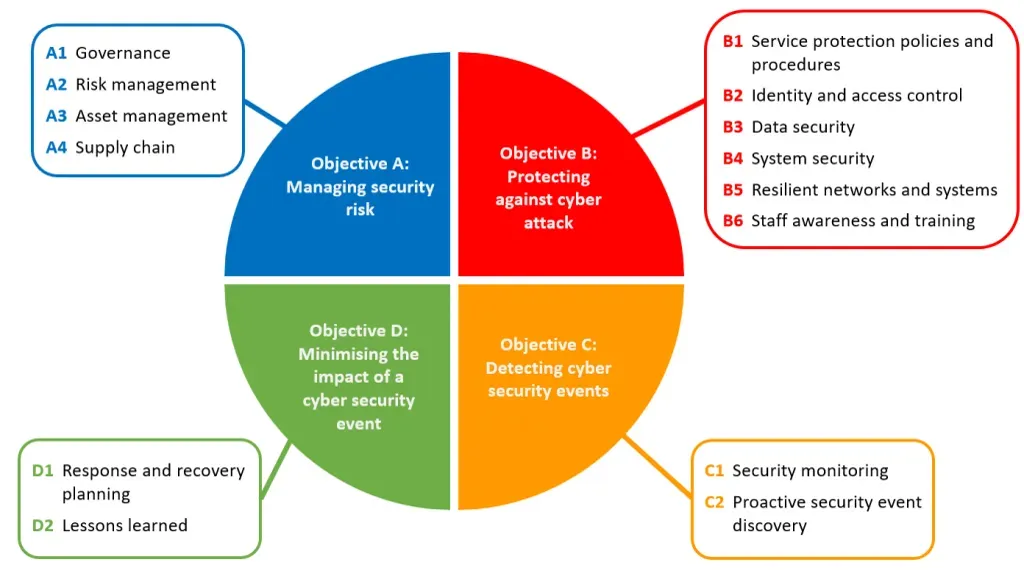
The Cyber Assessment Framework (CAF) is an essential tool developed by the NCSC aimed at bolstering cyber security and resilience within organizations, particularly those that support critical national infrastructure. In today’s rapidly evolving cyber threat landscape, safeguarding essential services against attacks is more important than ever. With the alarming rise in cyber threats targeting UK critical services, the CAF provides a structured approach for organizations to evaluate their defenses and enhance their performance. The release of CAF 4.0 emphasizes updated strategies to understand attacker motivations, secure software development, and advance detection methods, making it a crucial resource for maintaining robust cyber resilience. By integrating these updates, organizations can ensure they not only meet regulatory requirements but also effectively combat emerging cyber risks.
The Cyber Assessment Framework, often abbreviated as CAF, serves as a pivotal guideline for assessing and enhancing cyber resilience across various sectors. This framework, accompanied by the efforts of the NCSC, is designed for organizations involved with critical services such as energy, healthcare, and transportation, equipping them to face increasing cyber threats. As cyber security evolves, tools like the CAF help streamline compliance with legal standards and bolster organizational defenses against vulnerabilities. By understanding the motivations behind cyber attacks, organizations can make informed decisions that strengthen their security posture. The recent iteration, CAF 4.0, introduces significant updates that reflect the ongoing challenges in safeguarding critical infrastructure while ensuring adherence to national regulations.
Understanding the Cyber Assessment Framework (CAF)
The Cyber Assessment Framework (CAF) developed by the NCSC is a fundamental tool aimed at boosting the cyber security posture and resilience of organizations. It provides a structured approach that helps businesses identify vulnerabilities, assess risks, and implement effective mitigations. With the rapidly changing landscape of cyber threats, CAF serves as an essential guide to help organizations navigate the complexities of cyber security, ensuring that critical services are well-protected against malicious attacks.
In its current iteration, CAF 4.0 includes advanced features and methodologies, reflecting the NCSC’s commitment to improving cyber resilience across the UK. It emphasizes the need for organizations, particularly those responsible for critical national infrastructure, to remain vigilant and proactive in their approach to cyber threats. By cultivating a deeper understanding of attacker behaviors and motivations, businesses can make informed decisions that enhance their defensive capabilities and support compliance with regulatory requirements such as the NIS Regulations.
Frequently Asked Questions
What is the Cyber Assessment Framework (CAF) by NCSC?
The Cyber Assessment Framework (CAF) is a tool developed by the National Cyber Security Centre (NCSC) to help organizations enhance their cyber security and resilience. It assists entities in protecting critical services from various cyber threats, ensuring they can meet legal and regulatory requirements.
How does CAF 4.0 improve cyber resilience for organizations?
CAF 4.0 introduces crucial updates such as a focus on understanding attacker methods, secure software development, enhanced security monitoring and threat detection, as well as addressing AI-related cyber risks. These changes empower organizations to bolster their cyber resilience against evolving threats.
Who should use the Cyber Assessment Framework?
The CAF is primarily designed for Critical National Infrastructure (CNI) organizations that operate essential services across sectors like energy, healthcare, transport, and government. It helps these entities assess their security posture and compliance with frameworks like the NIS Regulations.
How can the Cyber Assessment Framework support compliance with the NIS Regulations?
The CAF provides a comprehensive framework for assessing how organizations meet expected security and resilience outcomes in line with the NIS Regulations. By using the CAF, organizations can effectively evaluate their cyber security measures and make necessary improvements.
What are the recent updates in CAF 4.0?
CAF 4.0 highlights four major updates: a new focus on understanding attacker motivations, secure software development practices, improved security monitoring and threat hunting, and specific attention to AI-related cyber risks, all aimed at enhancing the overall cyber resilience of organizations.
Why is it important to keep the CAF updated?
Updating the CAF ensures that it remains relevant to the evolving landscape of cyber threats. As cyber attacks become more sophisticated, the CAF must adapt to provide effective guidelines and recommendations that help organizations defend critical services.
Can you explain the role of NCSC in relation to the Cyber Assessment Framework?
The National Cyber Security Centre (NCSC) plays a pivotal role in developing the Cyber Assessment Framework, conducting consultations with cyber regulators, and updating the framework to align with current cyber threats and regulatory requirements. It serves as a guide for organizations to improve their cyber security posture.
How does the Cyber Assessment Framework relate to cyber threats against Critical National Infrastructure?
The Cyber Assessment Framework addresses the increasing cyber threat landscape faced by Critical National Infrastructure (CNI) by providing organizations with tools and strategies to enhance their defenses, ensuring the protection of essential services crucial to national security.
What additional services does NCSC provide alongside the CAF?
In addition to the Cyber Assessment Framework, NCSC offers services such as Cyber Essentials, the Cyber Resilience Audit, and Cyber Adversary Simulation services to help organizations build confidence and enhance their cyber resilience.
Where can I provide feedback on the Cyber Assessment Framework?
Feedback on the Cyber Assessment Framework can be sent to the NCSC’s Support to Regulation mailbox, where input is valued and considered for future iterations of the CAF.
| Key Point | Details |
|---|---|
| What is the Cyber Assessment Framework (CAF)? | A tool by NCSC to improve cyber security and resilience for critical services. |
| Main Users of CAF | Used by UK cyber regulators and public sector through GovAssure. |
| Importance of CAF | Helps organizations protect against escalating cyber threats to Critical National Infrastructure (CNI). |
| Key Updates in CAF v4.0 | 1. Focus on attacker methods and motivations 2. Secure software development for essential services 3. Enhanced security monitoring and threat hunting 4. Attention to AI-related cyber risks |
| Target Audience of CAF | Designed for organizations within sectors like energy, healthcare, transport, digital infrastructure, and government. |
| Future Developments | Continuing updates to align with upcoming regulatory proposals in Cyber Security and Resilience Bill. |
Summary
The Cyber Assessment Framework (CAF) plays a crucial role in enhancing organizations’ resilience against cyber threats. By providing a comprehensive toolkit for assessing cyber risks and ensuring compliance with regulations, CAF equips organizations managing critical services with the necessary defenses. With the introduction of version 4.0, the framework has been updated to address emerging threats effectively, ensuring organizations can adapt to the rapidly changing cyber landscape. The continuous evolution of the CAF underscores its importance in fostering a robust cybersecurity posture across sectors vital to national security.
The Cyber Assessment Framework (CAF) plays a pivotal role in bolstering the cyber security landscape across the UK. Developed by the NCSC, this invaluable tool empowers organizations to enhance their cyber resilience, particularly in safeguarding critical national infrastructure from escalating cyber threats. As the digital landscape evolves, the CAF has become essential for public sector organizations assessed under GovAssure, ensuring they meet legal and regulatory requirements. Version 4.0 of the CAF introduces significant updates aimed at understanding attacker methodologies and securing software utilized in essential services. By integrating comprehensive strategies that address contemporary cyber risks, the CAF helps organizations align with critical national interests and improve their defenses against emerging threats.
The Cyber Assessment Framework (CAF) serves as a fundamental resource for evaluating and improving cyber defenses within various sectors in the UK. Known for its comprehensive approach, this framework enables organizations to assess their vulnerabilities and implement robust cyber security measures effectively. With the increasing focus on safeguarding essential services, particularly those integral to the nation’s critical national infrastructure, the updated framework is more relevant than ever. Moreover, the introduction of advanced considerations, including AI-related risks, reflects an essential shift in understanding the complexities of modern cyber threats. This evolving assessment tool underscores the importance of maintaining cyber resilience through informed risk management practices.
The Cyber Assessment Framework (CAF) serves as a critical tool for organizations striving to bolster their cyber security and resilience, especially amid escalating threats to the UK’s Critical National Infrastructure (CNI). By leveraging the CAF, organizations can not only comply with essential regulatory requirements but also proactively identify vulnerabilities and strengthen defenses against increasingly sophisticated cyber attacks. Version 4.0 of the CAF signifies a crucial evolution in this framework, addressing the changing landscape of cyber threats and incorporating insights into attacker methodologies and motivations. This holistic approach ensures that organizations remain vigilant and capable of adapting their defenses as threats evolve.
One of the standout features of CAF v4.0 is the inclusion of a dedicated section aimed at enhancing understanding of attacker behavior. By focusing on the motivations and methods employed by cyber adversaries, organizations can make informed decisions that prioritize their most critical vulnerabilities. Additionally, securing the development and maintenance of software used in essential services is imperative to prevent exploitation. This update signifies a shift towards proactive defense mechanisms, which is particularly important in sectors like healthcare and energy where disruption could have dire consequences.
Moreover, the enhanced security monitoring and threat hunting capabilities outlined in the latest version of the CAF will empower organizations to detect potential threats earlier and respond more effectively. Improved detection capabilities mean organizations can shift their posture from reactive to proactive, enabling them to mitigate risks before they result in significant breaches or impacts on service delivery. Furthermore, with the growing prevalence of artificial intelligence, the CAF’s focus on AI-related cyber risks reflects the framework’s commitment to addressing emerging threats that could disrupt essential services.
By consulting with various cyber regulators and oversight bodies during the development of CAF v4.0, the NCSC has ensured that the framework not only meets current regulatory demands but also anticipates future changes, such as those proposed in the upcoming Cyber Security and Resilience Bill. This collaborative approach underscores the dynamic nature of cyber security and the necessity for continuous improvement in defensive measures. As organizations implement CAF 4.0, they should also engage with the broader suite of tools available from the NCSC to foster a robust culture of cyber resilience.
As the cyber threat landscape continues to evolve, the importance of frameworks like the Cyber Assessment Framework cannot be overstated. Organizations in the CNI sectors must not only adopt the latest version of the CAF but also remain engaged in providing feedback and collaborating with regulatory bodies to ensure that the framework adapts to emerging threats. By doing so, they contribute to a collective effort that not only protects their critical services but also fortifies the overall cyber resilience of the nation.