
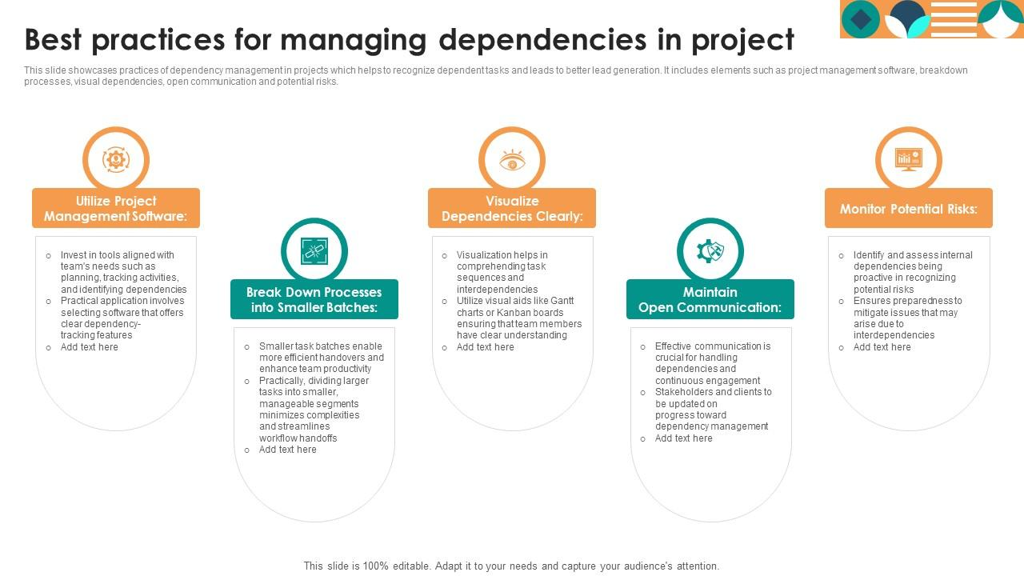
Software supply chain attacks have emerged as a pressing threat in the cybersecurity landscape, targeting the very foundation of modern software development. As attackers find innovative ways to compromise open-source package vulnerabilities, the potential for malware propagation increases dramatically. These attacks exploit the interconnectedness of components within CI/CD pipeline security, often slipping malicious code into trusted software packages. Consequently, cybersecurity supply chain risks are at an all-time high, posing a significant challenge for organizations striving to manage their dependencies effectively. By understanding these threats and implementing dependency management best practices, businesses can strengthen their defenses against this evolving menace.
In recent years, the risk of compromised software ecosystems has become an urgent concern for developers and organizations alike. Also known as software dependency attacks, these events involve the infiltration of malicious code into legitimate software packages, undermining the integrity of development workflows. The rise of automation within software development and deployment processes has further complicated the landscape, enabling swift malware propagation across multiple platforms. It’s crucial for cybersecurity stakeholders to recognize these sophisticated threats and the importance of maintaining robust security measures throughout the software supply chain. As we delve deeper into the complexities of this issue, we will explore key strategies for safeguarding development environments against a potential breach.
Understanding Software Supply Chain Attacks
Software supply chain attacks have emerged as a significant threat in the realm of cybersecurity, particularly as organizations increasingly depend on open-source software. These attacks exploit vulnerabilities within the software supply chain, where attackers compromise popular packages to distribute malware. Such breaches can lead to extensive damages, not only to the software being targeted but also to the broader ecosystem relying on these compromised components. The rapid propagation of malware through these channels intensifies the pressing need for organizations to understand and mitigate their risks associated with supply chain vulnerabilities.
In order to safeguard against these insidious attacks, organizations must develop robust dependency management strategies. Reviewing and continuously auditing the software supply chain for open-source package vulnerabilities is essential. This process should include identifying possible weak links in the dependency chain, especially given the widespread reliance on various third-party components. By establishing a comprehensive strategy for managing vulnerabilities, organizations can better protect themselves against the evolving landscape of software supply chain threats.
The Impact of Open-Source Package Vulnerabilities
Open-source package vulnerabilities pose a dire risk to the integrity of software applications. Attackers often exploit these weaknesses by infiltrating well-known repositories and injecting malicious code that can compromise user data and application functionality. The presence of these vulnerabilities within open-source packages amplifies the risk, as they are frequently integrated into numerous applications and systems without adequate scrutiny. Therefore, organizations must remain vigilant about the security of their software dependencies, recognizing the potential avenues through which attackers might propagate malware.
To combat this challenge effectively, cybersecurity professionals should implement proactive scanning practices to identify vulnerabilities within their software supply chain. Tools designed for dependency management can assist in continuously monitoring for vulnerabilities, ensuring updates and patches are applied promptly. By fostering a culture of security-first thinking, organizations can drastically mitigate the potential impact of open-source package vulnerabilities and enhance their resilience against sophisticated cyber threats.
Cybersecurity Supply Chain Risks: Key Considerations
Cybersecurity supply chain risks involve intricate challenges that can compromise the security integrity of software products. The increasing interconnectivity of modern development environments means that a vulnerability in one third-party component can expose a network to significant security breaches. Notably, the automated processes enabled by CI/CD pipelines can inadvertently facilitate cyberattacks, as malicious code can be executed without human intervention. It is essential for organizations to assess their entire supply chain critically, identifying points of vulnerability and implementing robust security measures to counteract potential risks.
Effectively managing these risks requires an understanding of how dependencies are introduced and maintained within a software development lifecycle. Organizations should prioritize establishing security policies regarding the adoption of third-party components, focusing on comprehensive reviews before any integration. Additionally, keeping software inventories updated through practices such as maintaining a software bill of materials (SBOM) can aid in mapping out dependencies and highlight areas for risk reduction.
Malware Propagation Through DevOps Platforms
The rise of DevOps practices has transformed the way software is developed, but it has also introduced new vectors for malware propagation. As teams adopt continuous integration and deployment processes, they often overlook critical security measures, allowing attackers to infiltrate development environments more easily. A malicious actor can leverage compromised credentials or tokens to inject harmful code into seemingly benign software updates, thereby propagating malware throughout the build pipeline. This underscores the urgent need for securing the entire DevOps environment to thwart potential attacks.
Mitigating the risk of malware propagation in DevOps necessitates a comprehensive approach that includes integrating security into the CI/CD pipeline. Organizations should focus on implementing automated security checks during each stage of development, from coding to deployment. Additionally, establishing strict access controls, enforcing multi-factor authentication for developer and package registry accounts, and regularly auditing for suspicious activity can fortify defenses against malware threats. By embedding security deeply into the development framework, organizations can create a resilient bulwark against malware propagation.
CI/CD Pipeline Security Best Practices
To ensure the integrity of the CI/CD pipeline, it is essential for organizations to adopt best practices that emphasize security throughout the development lifecycle. One crucial practice is to implement stringent access controls that limit who can make changes to the pipeline, ensuring only authorized personnel can alter deployment scripts or introduce new dependencies. Moreover, incorporating security tools that scan for vulnerabilities in real-time can help identify problematic packages before they are introduced into the production environment.
Additionally, regular audits of the CI/CD processes are vital to track and analyze how dependencies are managed. By conducting routine evaluations of the tools and components used in the pipeline, organizations can uncover hidden risks and fortify their defenses against cyber threats. Utilizing a combination of automated tools and manual reviews ensures continuous monitoring for any suspicious behaviors or outdated dependencies, ultimately contributing to a more secure development process that minimizes potential attack vectors.
Dependency Management Best Practices to Combat Threats
Effective dependency management lies at the heart of reducing the risks associated with software supply chain attacks. Organizations should establish clear policies regarding the approval and integration of third-party dependencies, requiring thorough vetting before any new packages are utilized. By maintaining updated records of software components through inventory management practices such as SBOM, teams can achieve greater visibility into the software supply chain, making it easier to identify and address vulnerabilities as they arise.
Furthermore, organizations should foster a culture of security awareness that emphasizes ongoing education for developers regarding best practices in dependency management. Providing training on identifying security threats and understanding the implications of open-source package vulnerabilities can empower teams to make informed decisions while developing applications. This proactive stance not only mitigates immediate risks associated with dependencies but also fortifies the organization against evolving cyber threats.
Recognizing Signs of Supply Chain Compromise
Detecting signs of a compromised software supply chain can often be a challenging endeavor, especially without streamlined processes in place for monitoring. Organizations must be vigilant for unusual behaviors, such as unexpected changes in code repositories or irregularities in CI/CD logs. Implementing real-time monitoring tools can significantly enhance the chances of early detection, allowing teams to react swiftly to potential breaches and minimize damage.
Additionally, employing automated alert systems that trigger when suspicious activities are identified can help maintain security vigilance. Regularly reviewing dependencies and their associated activities will also provide insights into any changes that could indicate a compromise. The ability to swiftly identify and respond to changes in software environments will play a crucial role in maintaining robust cybersecurity levels and protecting against software supply chain attacks.
Immediate Actions for Risk Reduction
In the wake of a detected supply chain compromise, organizations must act rapidly to minimize potential impacts. One immediate action is to halt automatic updates for dependencies, as these may inadvertently propagate malicious changes throughout the system. Teams should manually review and approve any changes to software components and rotate exposed credentials to further mitigate risks associated with unauthorized access.
Moreover, organizations should implement measures such as enforcing multi-factor authentication across all developer accounts and package registries. This additional layer of security can significantly reduce the chances of credential theft, ensuring that only trusted individuals can make changes to critical software assets. By adopting these immediate risk-reduction strategies, organizations can swiftly regain control over their software supply chains, reinforcing their defenses against evolving cyber threats.
Strengthening Development Approaches Against Attacks
As software supply chain attacks become more prevalent, revisiting and strengthening development approaches is essential. Organizations must assess how dependencies are introduced within their software development lifecycle, ensuring a rigorous approach to validating third-party components. Regular updates to security practices, such as incorporating the latest guidelines from credible sources like the Software Security Code of Practice, will enhance the integrity of application development.
In addition, deploying security checkpoints throughout development phases will help identify vulnerabilities earlier in the process. Strategies may include securing sensitive credentials, improving automation controls, and navigating dependencies thoughtfully. Organizations can ensure that they are equipped to address the complexities of the modern software ecosystem while fortifying themselves against attacks, effectively creating a more secure development approach that preemptively addresses vulnerabilities.
Frequently Asked Questions
What are software supply chain attacks and how do they relate to open-source package vulnerabilities?
Software supply chain attacks refer to strategies employed by attackers to compromise the integrity of software during its development lifecycle. These attacks often exploit open-source package vulnerabilities, where malicious code is injected into trusted open-source libraries or components. By manipulating these dependencies, attackers can spread malware quickly and undetected across multiple applications and services. Understanding these vulnerabilities is crucial for organizations to implement effective security measures and safeguard their software supply chains.
| Key Points | Details |
|---|---|
| Modern Software Development Risks | Rapidly evolving software development practices are creating complex ecosystems where supply chain attacks can propagate quickly. |
| Attacker Techniques | Common methods include maintainer account compromise, abandoned package takeover, typosquatting, and self-propagation. |
| Vulnerability of Developer Environments | Developer environments are often less controlled, increasing risk from shared code and package registries. |
| Response Strategies | Review dependencies, monitor unusual behaviors, scan for compromised packages, and enforce multi-factor authentication. |
| Immediate Actions | Pause auto-updates, manually review dependencies, rotate credentials, and employ trusted registries. |
Summary
Software supply chain attacks are an evolving threat that demands immediate action from organizations. As attackers increasingly target open-source packages to propagate malware, it is essential for cyber defenders to stay vigilant and conduct thorough reviews of their software dependencies. By understanding the techniques employed by attackers and implementing effective monitoring and response strategies, organizations can significantly mitigate the risks associated with these insidious attacks. Proactive measures, such as auditing packages and employing enhanced security practices, can help safeguard the integrity of software development and protect against future vulnerabilities. Ultimately, awareness and preparedness are key to tackling the complexities of today’s software supply chains.
Software supply chain attacks have emerged as a critical threat in today’s technology landscape, highlighting the vulnerabilities present in modern software development. Cybercriminals leverage open-source package vulnerabilities to introduce malicious code, resulting in malware propagation that can affect countless organizations. As software becomes increasingly reliant on third-party dependencies, the risks associated with these attacks grow exponentially, driving the need for robust CI/CD pipeline security and proactive dependency management best practices. Organizations are advised to conduct thorough reviews of their software dependencies to identify potential risks and implement safeguards against these cyber threats. In doing so, they can better protect their systems and mitigate the evolving cybersecurity supply chain risks associated with these sophisticated attacks.
The realm of software supply chain security is increasingly overshadowed by rising concerns regarding the safety of third-party software components and developer tools. Often referred to as supply chain compromise, these incidents involve the exploitation of vulnerabilities within open-source libraries and frameworks, allowing attackers to infiltrate numerous ecosystems. As organizations rely more on automated deployment processes and a vast array of dependencies, the landscape becomes ripe for malicious actors aiming to execute their nefarious strategies. Effective management of dependencies and enhancing security measures throughout the software development lifecycle is essential for thwarting potential threats tied to these supply chain vulnerabilities. Understanding these dynamics is vital for any organization seeking to safeguard its digital assets against the insidious nature of supply chain attacks.
Software supply chain attacks have become an insidious threat, taking advantage of the complexities inherent in modern software development. The increasing reliance on open-source packages and third-party dependencies has opened up new avenues for attackers to introduce vulnerabilities. This risk is exacerbated by the fact that many developers automate their build and deployment processes through CI/CD pipelines. Consequently, malware can swiftly propagate through trusted software environments, often without detection. As such, cybersecurity professionals must prioritize understanding these threats to safeguard their organizations against potential breaches.
Recent incidents highlight the changing landscape of software supply chain attacks, where malicious actors have successfully manipulated package ecosystems like npm and PyPI. The use of such platforms, which can allow anyone to upload a package, poses a significant threat. Attackers can execute tactics such as maintainer account compromise or typosquatting, where they create malicious packages with names similar to legitimate ones. These vulnerabilities not only endanger individual organizations but can also compromise an entire ecosystem, spreading malware widely across applications.
To effectively combat these threats, organizations must enhance their monitoring and risk management protocols. This includes auditing dependencies, monitoring for anomalous behavior in CI/CD pipelines, and employing dependency scanning tools to identify potentially compromised packages. Maintaining a comprehensive inventory of software dependencies can aid in this effort, enabling quicker identification and remediation of risks associated with software components. Furthermore, implementing multi-factor authentication and using private registries can bolster security measures against supply chain attacks.
As software development practices evolve, incorporating security into the software development lifecycle (SDLC) becomes increasingly critical. Organizations should avoid automatically incorporating updates without thorough reviews and establish controlled pathways for deployment. Safeguarding sensitive credentials is also essential, as breaches in developer tools and repositories can have cascading effects. By following best practices outlined in resources like the Software Security Code of Practice, organizations can better defend against the escalating threat of software supply chain attacks.
Ultimately, the proactive management of software dependencies is vital in defending against supply chain attacks. Cybersecurity professionals must remain vigilant, regularly reviewing and adapting their security measures in line with evolving attack vectors. As attackers become more sophisticated, so too must the strategies employed to safeguard organizational data and integrity. Building a culture of security-first development, combined with continuous monitoring and response strategies, can significantly reduce vulnerabilities in the software supply chain.
Software supply chain attacks are an increasingly alarming threat in today’s digital landscape, where attackers exploit vulnerabilities in open-source package ecosystems to propagate malware. As software becomes more interconnected, the associated cybersecurity supply chain risks grow exponentially, making it imperative for organizations to understand how to protect their code. These attacks often leverage open-source package vulnerabilities, targeting code dependencies that developers may unknowingly introduce into their projects. With rapidly advancing CI/CD pipeline security practices, it is crucial for developers to implement robust dependency management best practices to safeguard their applications. By proactively addressing these risks, organizations can mitigate the potential for malware propagation and strengthen their overall security posture.
In the realm of software security, the issue of compromised software development ecosystems has gained recognition, frequently referred to as supply chain breaches. These incidents illustrate how attackers can infiltrate software packages to insert malicious code, significantly amplifying the threat landscape. As more developers rely on external libraries and code snippets, the chance for security loopholes increases, prompting the need for enhanced vigilance in code review processes. Moreover, continuous integration and delivery systems often facilitate rapid deployment without the necessary checks, rendering projects susceptible to exploitation. Understanding the interconnectedness of modern software dependencies is vital for mitigating risks associated with these sophisticated cyber threats.