
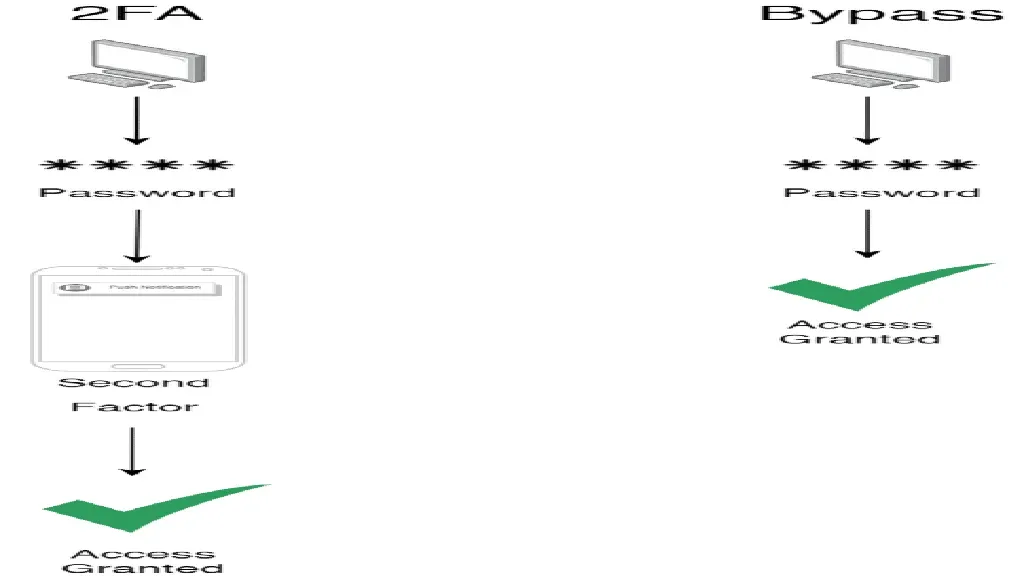
MFA Authentication Bypass is a critical security vulnerability impacting Joomla! users, which could potentially leave many installations exposed to malicious attacks. This exploit, identified as CVE-2025-25227, stems from insufficient state checks that enable unauthorized individuals to bypass two-factor authentication (2FA) safeguards effectively. With affected versions ranging from 4.0.0 to 5.2.5, there is an urgent need for Joomla! site administrators to address this authentication vulnerability, as the risk of compromise is classified as high. As a result, implementing robust Joomla security measures, including prompt upgrades to version 4.4.13 or 5.2.6, is imperative to mitigate these risks. By understanding the implications of this CMS exploit, you can better protect your site from potential threats.
The topic of circumventing multi-factor authentication is increasingly relevant in today’s digital landscape, where securing online platforms is paramount. Often referred to as 2FA bypass or authentication circumvention, this particular vulnerability highlights the importance of maintaining stringent security protocols. For Joomla! users, ensuring updated installations is crucial to safeguard against such risks. The recent discovery of the CVE-2025-25227 flaw serves as a stark reminder of the vulnerabilities inherent in content management systems (CMS) like Joomla. Administrators must be proactive in addressing these concerns to protect sensitive user data and maintain the integrity of their sites.
Understanding the Impact of MFA Authentication Bypass in Joomla
The recent vulnerability identified as MFA Authentication Bypass within Joomla poses a high impact risk, particularly for users operating versions from 4.0.0 to 4.4.12 and from 5.0.0 to 5.2.5. This attack exploits insufficient state checks during the two-factor authentication (2FA) process, which could enable malicious actors to gain unauthorized access to accounts without needing to provide the second factor of authentication. Given the reliance on 2FA as an essential security measure, the implications of this vulnerability could be severe for website integrity and user safety.
With authentication vulnerabilities like CVE-2025-25227 becoming more prevalent, Joomla’s security community has emphasized the necessity of upgrading to the patched versions 4.4.13 or 5.2.6. Organizations using existing versions should understand that failing to address this critical security gap not only jeopardizes their data but also places sensitive user information at risk. As CMS exploits evolve, proactive measures such as regular updates and security audits are essential to safeguard against these threats.
Mitigating Authentication Vulnerabilities in Joomla CMS
To mitigate the impact of authentication vulnerabilities within Joomla, it is essential to adopt a multi-faceted approach to security. This includes strict monitoring of known vulnerabilities, timely application of security patches like the recent ones for CVE-2025-25227, and implementing robust user education on security best practices. As systems become increasingly interconnected, the chances of falling victim to CMS exploits such as 2FA bypass increase, necessitating a comprehensive security strategy that encompasses software updates, user training, and incident response planning.
Enhancing Joomla security also involves integrating additional security extensions that bolster user authentication procedures. These extensions can offer layered security options beyond 2FA, such as behavior-based analytics and anomaly detection, allowing organizations to identify unauthorized access attempts early. By prioritizing security measures and ensuring their implementation before it’s too late, organizations using Joomla can significantly reduce the likelihood of being affected by authentication vulnerabilities.
The Importance of Promptly Addressing Joomla Security Issues
The timely response to security issues like MFA Authentication Bypass is crucial for maintaining a secure web environment. When vulnerabilities are disclosed, such as the one reported on March 20, 2025, by an undisclosed reporter, it is vital that affected users act swiftly to upgrade their systems. Insecure setups not only compromise the immediate users but can also affect the larger community by providing potential gateways for cybercriminals to exploit further vulnerabilities in Joomla installations.
In the realm of web security, the window of opportunity for attackers is often measured in days or even hours post-disclosure. Therefore, the urgency of upgrades to versions 4.4.13 or 5.2.6 cannot be overstated. Joomla administrators should stay informed through the Joomla Security Centre and actively participate in community discussions about security practices. By fostering a culture of security awareness within Joomla installations, organizations can better guard against potential CMS exploits and protect sensitive information.
The Role of Community in Joomla Security Practices
The Joomla community plays a pivotal role in strengthening the overall security framework of the CMS through shared knowledge, resources, and experiences. Collaborations among developers, users, and security experts lead to faster identification and resolution of vulnerabilities such as the MFA Authentication Bypass. By reporting vulnerabilities and working together on patches, the Joomla community ensures that security fixes are delivered promptly, improving the software’s robustness against potential breaches.
Moreover, community-driven initiatives, such as extended security training and workshops, provide significant value in educating administrators on best practices for safeguarding their sites. Engaging in forums and contributing to security discussions helps cultivate awareness around vulnerabilities including authentication exploits. As cyber threats continue to evolve, a united and informed Joomla community will be critical to fortifying defenses against emerging security challenges.
Analyzing the Security Landscape of Joomla CMS
In analyzing the security landscape of Joomla, it’s clear that the platform, while robust, is not immune to vulnerabilities. The recent MFA Authentication Bypass incident exemplifies a recurring issue of how flaws in authentication mechanisms can be exploited. Academic research and field studies underline that maintaining secure web applications requires constant vigilance, especially concerning authentication vulnerabilities. Tools and methodologies like risk assessment evaluations can aid in identifying weak spots that need immediate attention.
The need for comprehensive security practices goes beyond initial hardening measures. Continual assessments involving penetration testing and regular software updates ensure the CMS remains equipped against the latest security threats, including known CVE exploits. Keeping abreast of security trends and threats in the Joomla ecosystem is essential for developers and site administrators, fostering an environment of proactive security rather than reactionary fixes.
Upgrading Joomla: Why Timeliness is Critical
In the context of Joomla security, upgrading to the latest available versions is not just a recommendation; it is a necessity, especially after vulnerabilities like MFA Authentication Bypass are disclosed. Each new version typically addresses previous vulnerabilities and introduces enhancements that reinforce the overall security architecture of the Joomla platform. Hence, the gap between vulnerability disclosure and version upgrade should be minimal to ensure the continued safety of the CMS environment.
Delaying upgrades not only exposes systems to potential attacks but also increases the risk of data breaches that could lead to significant reputational damage and financial loss. By prioritizing system updates and being proactive about security vigilance, organizations can significantly decrease their risk factors and ensure a safer Joomla deployment. Continuous education regarding recent vulnerabilities and exploit behaviors, such as those stemming from CVE-2025-25227, is vital for all Joomla site administrators.
Best Practices for Enhancing Joomla Security
To bolster security within Joomla, adopting best practices is essential. Implementing measures such as regular software updates, employing strong passwords, and configuring proper permissions can drastically reduce security risks. Moreover, enabling two-factor authentication as a standard practice, despite the recent MFA vulnerabilities, remains a critical barrier against unauthorized access. Additionally, the periodic auditing of extensions and plugins is important to prevent vulnerabilities from being introduced into the system.
Incorporating security-focused plugins that enhance monitoring and alerting capabilities further transforms Joomla installations into resilient platforms. These tools can identify unusual login attempts, provide notifications about security updates, and facilitate backup processes, creating layers of security that complement Joomla’s built-in defenses. By making security an ongoing process rather than a one-time effort, users can navigate the complexities of CMS security with confidence.
Understanding CVE-2025-25227: A Case Study
CVE-2025-25227 represents a critical case study in the examination of vulnerabilities affecting modern CMS platforms like Joomla. The nature of the exploit highlights a significant oversight in authentication routines, particularly in bypassing two-factor authentication measures that are designed to fortify account security. As this vulnerability becomes a learning point, it emphasizes the risks embedded in inadequate validation mechanisms and inadequate state checks.
By dissecting the implications of CVE-2025-25227, Joomla users and administrators can develop a clearer understanding of the importance of maintaining robust authentication systems. Such analysis should propel discussions within the security community regarding preventative design measures that can avert similar vulnerabilities in the future. As developers refine their coding practices by investigating past exploits, the overall security standard of the Joomla ecosystem can be raised, creating a safer environment for everyone.
Future Directions for Joomla Security Initiatives
Looking ahead, the future direction of Joomla security initiatives must prioritize resilience in developing countermeasures against vulnerabilities. Engaging with the latest security technologies and integrating them into the Joomla ecosystem can substantially improve its defenses against authentication bypass and related exploits. Future versions of Joomla may implement more extensive security protocols that minimize reliance on potentially vulnerable components, ultimately providing a stronger framework for user verification.
Moreover, increased collaboration with cybersecurity experts and community stakeholders will play a central role in the evolution of Joomla’s security strategies. By forming alliances that focus on proactive security measures—such as incorporating machine learning algorithms to detect anomalies in authentication patterns—Joomla can stay one step ahead of potential threats. Addressing these challenges through innovation will help fortify not only Joomla’s security framework but also restore user confidence in its CMS offerings.
Frequently Asked Questions
What is MFA Authentication Bypass in Joomla?
MFA Authentication Bypass refers to a security vulnerability found in Joomla! versions 4.0.0 to 4.4.12 and 5.0.0 to 5.2.5, allowing attackers to bypass Two-Factor Authentication (2FA) checks due to insufficient state checks. This vulnerability is documented under CVE-2025-25227 and poses a significant risk to the affected installations.
How does the CVE-2025-25227 vulnerability affect Joomla security?
CVE-2025-25227 highlights an authentication vulnerability in Joomla that enables potential attackers to bypass MFA, compromising the security of user accounts. It is crucial for Joomla users on affected versions to upgrade to 4.4.13 or 5.2.6 to mitigate the risks associated with this CMS exploit.
Which versions of Joomla are impacted by the MFA Authentication Bypass?
The MFA Authentication Bypass vulnerability affects Joomla! CMS versions 4.0.0 to 4.4.12 and 5.0.0 to 5.2.5. Users of these versions are advised to upgrade to the latest versions to eliminate this authentication vulnerability.
What steps should I take to protect against Joomla’s 2FA bypass issue?
To protect against the 2FA bypass issue in Joomla, users should immediately upgrade to Joomla versions 4.4.13 or 5.2.6, which address the authentication vulnerability described in CVE-2025-25227. Regularly updating your Joomla installation is a vital practice for maintaining security.
What is the solution for users affected by the MFA Authentication Bypass vulnerability?
Users affected by the MFA Authentication Bypass vulnerability should upgrade their Joomla! installations to version 4.4.13 or 5.2.6 to close the security hole associated with CVE-2025-25227. This upgrade will improve overall Joomla security and prevent unauthorized access.
How can I report a new MFA Authentication Bypass vulnerability in Joomla?
If you discover a new MFA Authentication Bypass vulnerability in Joomla, you should report it to the Joomla! Security Strike Team (JSST) at the Joomla! Security Centre to ensure prompt investigation and resolution of the authentication vulnerability.
| Key Point | Details |
|---|---|
| Project | Joomla! |
| SubProject | CMS |
| Impact | High |
| Severity | Moderate |
| Probability | Moderate |
| Affected Versions | 4.0.0 – 4.4.12, 5.0.0 – 5.2.5 |
| Exploit Type | Authentication Bypass |
| Reported Date | 2025-03-20 |
| Fixed Date | 2025-04-08 |
| CVE Number | CVE-2025-25227 |
| Description | Insufficient state checks lead to a vector that allows bypassing 2FA checks. |
| Affected Installs | Joomla! CMS versions: 4.0.0 – 4.4.12, 5.0.0 – 5.2.5 |
| Solution | Upgrade to version 4.4.13 or 5.2.6 |
| Contact | The JSST at the Joomla! Security Centre |
| Reported By | Undisclosed Reporter |
Summary
MFA Authentication Bypass is a significant security vulnerability identified in Joomla! CMS versions 4.0.0 to 4.4.12 and 5.0.0 to 5.2.5, resulting from insufficient state checks that could allow bypassing two-factor authentication mechanisms. This high-impact issue, reported on March 20, 2025, and resolved on April 8, 2025, under CVE-2025-25227, highlights the importance of maintaining up-to-date software. Users are urged to upgrade to versions 4.4.13 or 5.2.6 to mitigate these risks and protect their systems from potential attacks.
MFA Authentication Bypass represents a significant security concern, especially in the realm of Joomla security. This vulnerability, identified as CVE-2025-25227, allows attackers to exploit insufficient state checks, effectively bypassing two-factor authentication (2FA) measures. With affected versions ranging from Joomla! 4.0.0 to 5.2.5, this authentication vulnerability poses a moderate threat that every website administrator must address. The risk is compounded by the potential for CMS exploits, which can undermine user privacy and website integrity. To safeguard against such exploits, users are urged to upgrade their installations promptly to mitigate any potential threats from this critical issue.
The issue of bypassing multi-factor authentication has become increasingly prevalent in today’s digital landscape. Often referred to as authentication bypass or 2FA bypass, these vulnerabilities expose systems to unauthorized access, particularly within Content Management Systems (CMS) like Joomla. The recent discovery of CVE-2025-25227 highlights how a lack of proper state validation can lead to serious security implications. Such vulnerabilities not only endanger user accounts but also put sensitive data at risk. For anyone managing a Joomla installation, understanding and addressing these security flaws is essential for maintaining a robust defense against potential cyber threats.
The Joomla! security advisory regarding the Multi-Factor Authentication (MFA) authentication bypass highlights a critical vulnerability that affects versions 4.0.0 through 4.4.12 as well as 5.0.0 through 5.2.5. This issue, identified as CVE-2025-25227, arises from insufficient state checks within the CMS, enabling unauthorized users to bypass the robust defenses of 2FA measures. This vulnerability has been classified with a high impact level and moderate severity, indicating that while exploitation is possible, it may require certain conditions to be met, which affects the overall probability of successful attacks.
To ensure the security of your Joomla! installation, it is crucial to act swiftly by upgrading to the patched versions 4.4.13 or 5.2.6 as recommended in the advisory. Failing to address this vulnerability can leave installations susceptible to unauthorized access, thereby compromising the integrity of user data and the overall security environment. The Joomla! Security Centre encourages administrators to review the advisory details and implement necessary updates as part of a broader strategy to maintain secure web applications and mitigate potential attack vectors.
This advisory is a reminder of the importance of keeping software up to date, particularly in the realm of content management systems like Joomla! With the increasing sophistication of cyber threats, it is imperative for site administrators to remain vigilant, regularly monitoring for security updates and extensively testing patches to safeguard against vulnerabilities. The response from the community and the proactive measures taken by the Joomla! Security Team reflect the ongoing commitment to a secure web platform, emphasizing the critical nature of community collaboration in identifying and resolving security issues.