
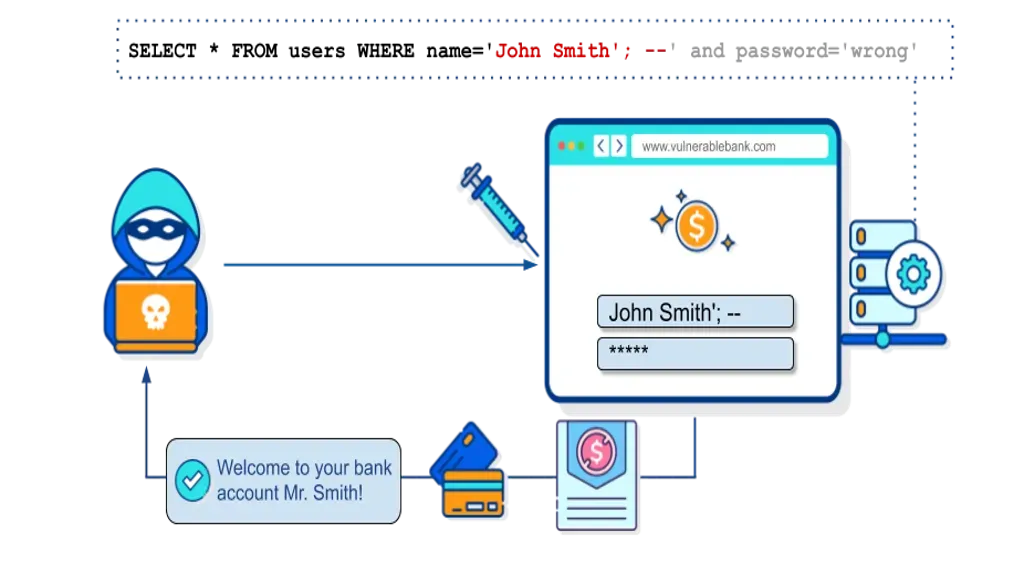
The SQL injection vulnerability discovered in Joomla’s quoteNameStr method poses a significant threat to database security. This flaw highlights a critical oversight in the handling of identifiers within the Database package, potentially exposing sensitive information. Specifically affecting versions 1.0.0-2.1.1 and 3.0.0-3.3.1, it emphasizes the urgency of addressing Joomla security issues. The CVE-2025-25226 identifier marks this vulnerability, underscoring its significance in the realm of web applications. For website owners utilizing Joomla, it is crucial to upgrade to the latest versions to mitigate risks arising from this database package vulnerability.
An SQL injection vulnerability represents a common yet dangerous security flaw that can allow attackers to manipulate database queries through improperly secured web applications. In the context of Joomla, this issue is particularly demonstrated through the vulnerabilities located in the quoteNameStr function of its Database package. Mistakes in input validation lead to risks that can compromise entire systems, making it essential for developers and administrators to stay updated on potential Joomla SQL injection risks. The severity of such vulnerabilities stresses the importance of upgrading to secure versions to protect against data breaches. Staying informed about vulnerabilities like CVE-2025-25226 can empower users to enhance their site’s security posture.
Understanding SQL Injection Vulnerabilities in Joomla
SQL injection vulnerabilities pose significant security risks for web applications, and Joomla is no exception. The recent incident concerning the quoteNameStr method in the Database package highlights how improper handling of identifiers can lead to exploitation. In versions 1.0.0 to 2.1.1 and 3.0.0 to 3.3.1, users were particularly at risk, as attackers could manipulate SQL queries, potentially exposing sensitive data stored in databases.
Understanding the underlying mechanics of SQL injection is crucial for developers and site administrators alike. Vulnerabilities like those documented under CVE-2025-25226 underscore the importance of rigorous security practices. Joomla users must remain vigilant and proactively address these issues to safeguard their installations from potential attacks that exploit SQL vulnerabilities, ensuring the integrity of their databases.
The Impact of Joomla SQL Injection Vulnerabilities
The impact of SQL injection vulnerabilities on Joomla can be catastrophic. When a security flaw such as the one in the quoteNameStr method is discovered, the effects can range from unauthorized data access to complete takeovers of web applications. In the case of the affected Joomla versions, the vulnerability was rated as high because it could potentially enable attackers to execute arbitrary SQL commands.
Additionally, such vulnerabilities can undermine the trust users place in Joomla-based websites. As organizations increasingly move towards cloud-based solutions and database-driven applications, ensuring robust security becomes paramount. Regularly updating packages and adhering to best practices in web security can significantly reduce the risk of SQL injection attacks.
Mitigating Database Package Vulnerabilities in Joomla
To mitigate the risk presented by vulnerabilities in the Joomla Database package, it’s essential for developers to upgrade to the latest versions as soon as security patches are released. The advised upgrades to versions 2.2.0 and 3.4.0 following the discovery of the vulnerability are critical steps in ensuring system integrity. Updating packages not only addresses security concerns but also improves performance and introduces new features.
Furthermore, implementing input validation and prepared statements in database interactions can significantly lower the risk of SQL injection vulnerabilities in custom extensions. As developers build upon Joomla’s framework, understanding the implications of existing vulnerabilities like those associated with CVE-2025-25226 can shape safer coding practices, ultimately leading to more secure Joomla applications.
Assessing Joomla Security Issues Throughout Development
As with any web application framework, security issues can arise throughout the development lifecycle of Joomla projects. Developers should embed security considerations from the outset, using comprehensive testing strategies to identify potential vulnerabilities in their code. The occurrence of SQL injection vulnerabilities illustrates the need for continuous security assessments, even in well-established frameworks like Joomla.
In addition to regular software updates and code reviews, utilizing automated tools that specifically target common vulnerabilities can greatly enhance Joomla’s security posture. This proactive approach to addressing Joomla security issues ensures that developers remain one step ahead of potential threats, safeguarding against SQL injection and other malicious attacks that might compromise sensitive data.
Navigating CVE-2025-25226: What It Means for Joomla Users
CVE-2025-25226 represents a specific vulnerability within Joomla’s Database package, causing concern among users of affected versions. Understanding this vulnerability is crucial for Joomla administrators who need to take immediate action to secure their installations. Since it affects the quoteNameStr method, those relying on this functionality in customized applications must assess their exposure and make necessary changes.
Moreover, implications of CVE-2025-25226 extend beyond immediate technical fixes; they highlight the need for strategic planning in security practices. Joomla users should familiarize themselves with how CVEs impact their platforms, establishing a routine for security audits and updating protocols to minimize risks. By being educated about vulnerabilities, they can better protect their systems against exploitation.
Proactive Security Measures for Joomla Installations
Implementing proactive security measures is crucial for safeguarding Joomla installations against potential threats. Administrators should regularly back up their databases and files to ensure that recovery options are available in case of an attack. Additionally, employing firewalls and intrusion detection systems can greatly enhance security by monitoring suspicious activities that may exploit vulnerabilities like those found in the Database package.
Regularly reviewing permissions for database access is vital, as it limits exposure by ensuring that only authorized users have access to sensitive areas of the site. Alongside these measures, staying current with Joomla security updates is an essential part of proactive site management. This methodology can help curb the risks associated with SQL injection vulnerabilities, ensuring a secure operating environment.
The Importance of Community Support in Joomla Security
Community support plays a pivotal role in improving the security landscape of Joomla. With many developers actively reporting issues like SQL injection vulnerabilities, the collective knowledge within the Joomla community can lead to rapid solutions and improvements. Forums, blogs, and official security announcements are great resources for staying informed about the latest vulnerabilities like CVE-2025-25226.
Moreover, participating in community discussions can raise awareness regarding best practices in coding and security. Developers are often willing to share their experiences and solutions, creating an environment where security knowledge can flourish. The active involvement of the Joomla community fosters a culture of security-first development, ultimately leading to a more resilient system.
Understanding the QuoteNameStr Method and Its Risks
The quoteNameStr method serves a crucial function in the Joomla Database package but also poses certain risks when not properly implemented. As it handles identifier formatting within SQL queries, any flaws in its logic can expose the application to SQL injection. Recognizing the role of this method enables developers to comprehend the gravity of the vulnerabilities linked to it.
Developers extending the Database package must pay particular attention to how they utilize the quoteNameStr method in their applications. Misuse can lead to significant security breaches, as seen in the recent vulnerabilities reported. Educating oneself about these intricacies ensures that developers implement this method securely, contributing to the overall safety of their Joomla applications.
Best Practices for Handling Joomla Security Vulnerabilities
Addressing Joomla security vulnerabilities requires more than just applying patches; it necessitates a comprehensive strategy encompassing best practices in development and maintenance. Regular code audits and using security-focused plugins can go a long way in uncovering potential weaknesses. Furthermore, educating developers on secure coding practices helps in minimizing risks associated with SQL injection vulnerabilities.
It’s equally important to foster a culture of transparency within development teams regarding known vulnerabilities like CVE-2025-25226. Open discussions about security can lead to better preparedness and quicker responses to emerging threats. By adhering to these best practices, Joomla users can create a more secure framework for their applications, ensuring a safer user experience.
Frequently Asked Questions
What is the SQL injection vulnerability in the quoteNameStr method of Joomla’s Database package?
The SQL injection vulnerability in the quoteNameStr method, identified in CVE-2025-25226, arises from improper handling of identifiers within Joomla’s Database package, specifically affecting versions 1.0.0-2.1.1 and 3.0.0-3.3.1. This flaw allows attackers to potentially manipulate database queries, posing a significant security risk.
How can the Joomla SQL injection vulnerability affect my website?
If your Joomla installation uses a version affected by the SQL injection vulnerability in the quoteNameStr method, there’s a risk that malicious actors could exploit this flaw to execute unauthorized SQL queries, which could compromise the integrity of your database and lead to data breaches.
What versions of Joomla are affected by the CVE-2025-25226 SQL injection vulnerability?
The CVE-2025-25226 SQL injection vulnerability affects Joomla versions 1.0.0-2.1.1 and 3.0.0-3.3.1. It is crucial to upgrade to versions 2.2.0 or 3.4.0 to mitigate this database package vulnerability.
What steps should I take to protect my Joomla site from database package vulnerabilities?
To protect your Joomla site from SQL injection vulnerabilities, including the one affecting the quoteNameStr method, ensure that you upgrade to the latest versions (2.2.0 or 3.4.0), regularly update your components, and monitor for any security announcements from the Joomla Security Centre.
Who reported the SQL injection vulnerability related to Joomla’s database package?
The SQL injection vulnerability in Joomla’s database package, specifically in the quoteNameStr method, was reported by Nicholas K. Dionysopoulos from akeeba.com. Staying informed on such reports can help you safeguard your site against potential threats.
| Aspect | Details |
|---|---|
| Project | Joomla! |
| SubProject | Framework |
| Impact | High |
| Severity | Low |
| Probability | Low |
| Affected Versions | 1.0.0-2.1.1, 3.0.0-3.3.1 |
| Exploit Type | SQL Injection |
| Reported Date | 2025-03-17 |
| Fixed Date | 2025-04-02 |
| CVE Number | CVE-2025-25226 |
| Vulnerability Description | Improper handling of identifiers leading to a SQL injection. |
| Fix | Upgrade to version 2.2.0 or 3.4.0. |
| Contact | Joomla! Security Centre, The JSST. |
Summary
SQL injection vulnerability can have serious implications on database security, as seen in the recent findings for the Joomla! framework. The vulnerability in the quoteNameStr method of the database package allows for potential exploitation due to improper handling of identifiers. It affects multiple versions of the database package with a high impact assessment, despite a low severity and probability rating. Applying the latest updates or contacting the Joomla! Security Centre for assistance is crucial for maintaining system integrity and protecting against potential exploits.
SQL injection vulnerability poses a significant threat to web applications, especially in popular content management systems like Joomla. One crucial instance of this vulnerability stems from the improper handling of identifiers in the quoteNameStr method of the Database package. This flaw, identified as CVE-2025-25226, can potentially allow malicious actors to manipulate database queries and gain unauthorized access to sensitive data. Despite its low probability of exploitation within the default Joomla package configurations, it’s essential for users still utilizing affected versions (1.0.0-2.1.1 and 3.0.0-3.3.1) to prioritize updates to safeguard against Joomla security issues. By promptly upgrading to versions 2.2.0 or 3.4.0, users can effectively mitigate the risks associated with this database package vulnerability.
The issue surrounding SQL injection vulnerabilities highlights a broader concern regarding database security in web development. Commonly referred to as code injection, these attacks exploit weaknesses in application frameworks to manipulate backend databases. For instance, the Joomla platform has faced scrutiny over the years for various security weaknesses, including a notable bug related to the quoteNameStr function that can lead to unauthorized data retrieval. By understanding the mechanics of these vulnerabilities, developers can better secure their applications and prevent potential data breaches. Implementing strong coding practices and regular security audits is essential to defend against such dangerous exploits.
Joomla’s recent advisory has raised concerns regarding a SQL injection vulnerability found in the method `quoteNameStr` of its Database package. This flaw, identified as CVE-2025-25226, was reported on March 17, 2025, and has been given a high impact rating despite being classified as low severity and probability. The vulnerability arises from improper handling of identifiers, which could potentially allow an attacker to manipulate SQL queries under certain conditions, particularly in custom extensions that utilize this method.
Affected versions of the Joomla Framework include those ranging from 1.0.0 to 2.1.1 and 3.0.0 to 3.3.1. Although the method in question is protected and does not directly appear in the core package’s usage, there is a risk for developers who extend the affected class. If their custom classes inadvertently invoke `quoteNameStr`, they may open their applications to exploitation, highlighting the importance of adhering to updated coding practices and regular framework upgrades.
To mitigate this vulnerability, Joomla has recommended that users upgrade to patched versions 2.2.0 or 3.4.0. This fix is a crucial step in securing Joomla installations against SQL injection risks. The Joomla Security Centre has also encouraged users to reach out to the Joomla Security Strike Team (JSST) for further guidance and assistance. Staying informed and proactive in addressing such vulnerabilities is essential for maintaining the integrity and security of web applications.